Table of Contents
- Introduction
- Understanding AI-Driven Energy Management
- How AI Optimizes Energy Consumption
- Smart Thermostats and Climate Control
- AI-Powered Smart Lighting
- Intelligent Energy Monitoring Systems
- AI in Renewable Energy Integration
- Benefits of AI in Reducing Carbon Footprints
- Lower Energy Costs
- Efficient Resource Utilization
- Real-Time Energy Monitoring
- Popular AI-Powered Energy Management Systems
- Challenges and Concerns of AI in Energy Management
- Future of AI in Sustainable Living
- FAQs
- Conclusion
1. Introduction
With rising concerns about climate change and energy conservation, artificial intelligence (AI) is playing a critical role in reducing household carbon footprints. AI-driven energy management systems enable homes to optimize power usage, reduce waste, and integrate renewable energy sources efficiently.
From smart thermostats that learn heating and cooling preferences to AI-driven solar energy systems that optimize power generation, AI is transforming the way we manage household energy consumption. In this article, we explore how AI helps in reducing household carbon footprints and shaping a more sustainable future.
2. Understanding AI-Driven Energy Management
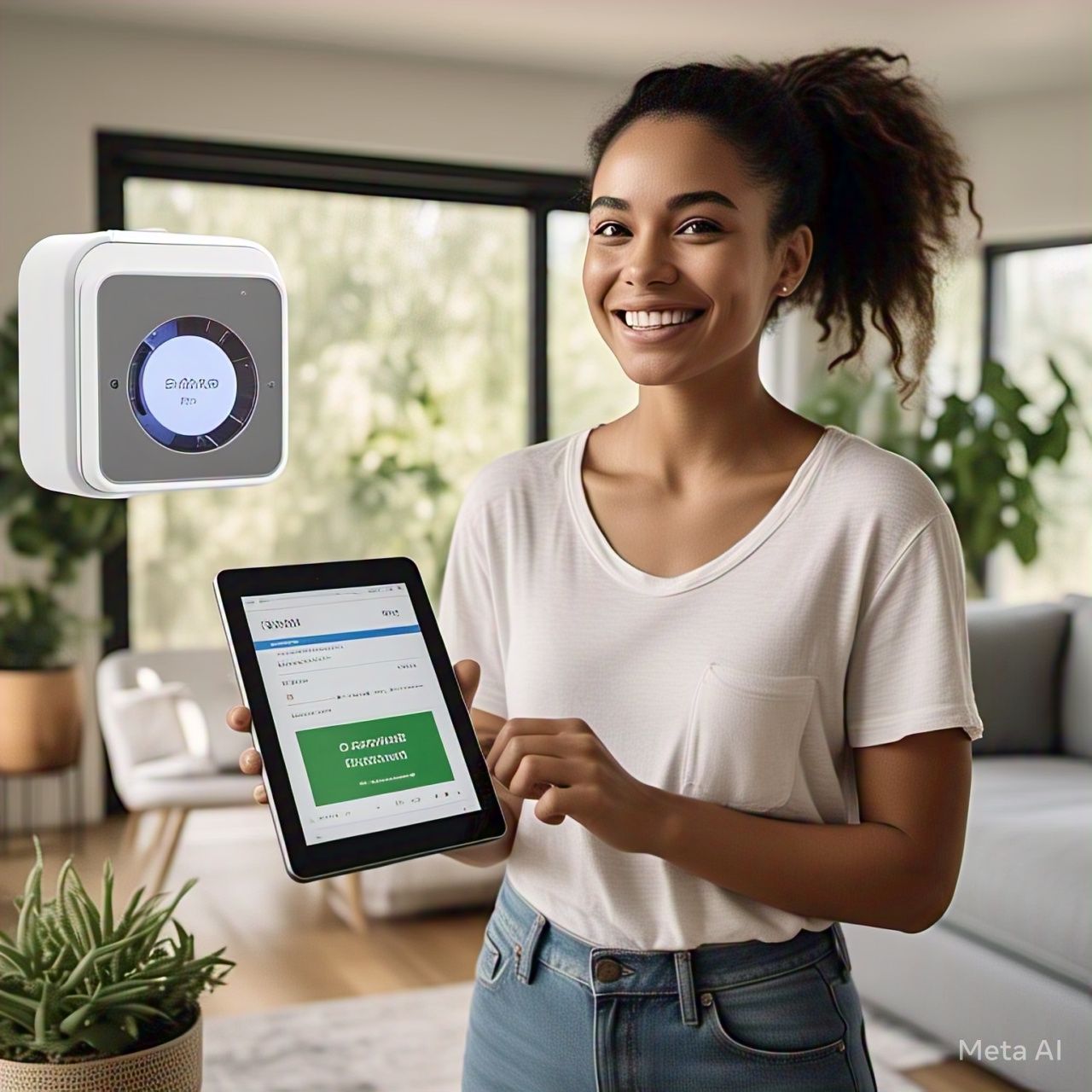
AI-driven energy management utilizes machine learning, data analytics, and automation to optimize power consumption, reduce waste, and lower carbon emissions in residential settings. Smart homes equipped with AI can monitor energy usage patterns and adjust devices automatically to ensure efficiency.
Common AI-driven energy management features include:
- Smart thermostats that regulate indoor temperature based on occupancy and weather conditions.
- AI-powered lighting systems that adjust brightness based on daylight availability and user habits.
- Energy monitoring tools that analyze electricity usage and suggest ways to reduce consumption.
- AI-driven renewable energy systems that optimize the use of solar and wind energy.
3. How AI Optimizes Energy Consumption
Smart Thermostats and Climate Control
Smart thermostats like Google Nest and Ecobee use AI to learn user preferences, detect occupancy, and adjust heating/cooling accordingly. This minimizes energy waste and maintains indoor comfort.
AI-Powered Smart Lighting
AI-driven lighting systems adjust brightness based on natural light levels, user schedules, and occupancy, reducing unnecessary power consumption.
Intelligent Energy Monitoring Systems
AI-integrated home energy management systems analyze power consumption, detect inefficient appliances, and suggest optimizations to lower electricity bills and carbon footprints.
AI in Renewable Energy Integration
AI improves the efficiency of solar panels and wind turbines by predicting energy demand, optimizing storage, and ensuring maximum utilization of renewable sources.
4. Benefits of AI in Reducing Carbon Footprints
1. Lower Energy Costs
AI minimizes energy waste by optimizing power usage, leading to significant savings on electricity bills.
2. Efficient Resource Utilization
AI ensures that home appliances operate at peak efficiency, reducing unnecessary energy consumption.
3. Real-Time Energy Monitoring
Users can track their energy consumption and receive AI-driven suggestions for reducing their carbon footprint.
5. Popular AI-Powered Energy Management Systems
| Device | Brand | Features |
|---|---|---|
| Nest Learning Thermostat | AI-driven climate control, occupancy detection | |
| Ecobee SmartThermostat | Ecobee | Smart scheduling, voice control, energy reports |
| Sense Energy Monitor | Sense | Real-time energy tracking, appliance detection |
| Tesla Powerwall | Tesla | AI-optimized solar energy storage |
| LIFX Smart Lights | LIFX | AI-powered brightness adjustment, energy savings |
6. Challenges and Concerns of AI in Energy Management
1. Privacy and Data Security
AI-powered energy systems collect and analyze user data, raising privacy concerns.
2. High Initial Cost
Advanced AI-driven energy management solutions may have high upfront costs, limiting accessibility.
3. Dependence on Internet Connectivity
Many AI energy systems require a stable internet connection for optimal functionality.
4. Compatibility Issues
Older homes and appliances may not be compatible with AI-driven energy solutions, requiring upgrades.
7. Future of AI in Sustainable Living
The future of AI in home energy management includes:
- Grid-interactive AI systems that balance energy demand and supply efficiently.
- AI-powered carbon tracking for individuals to monitor their environmental impact.
- More accessible smart energy solutions for widespread adoption.
8. FAQs
1. How does AI help reduce electricity bills?
AI optimizes energy usage by adjusting appliance settings and providing real-time energy-saving recommendations.
2. Can AI help integrate solar energy into homes?
Yes, AI predicts energy demand and optimizes solar panel output and battery storage for maximum efficiency.
3. Is AI in energy management expensive?
While initial costs may be high, long-term energy savings and efficiency benefits make AI-driven systems cost-effective.
4. Are AI energy systems eco-friendly?
Yes, AI enhances energy efficiency, reduces waste, and helps integrate renewable energy sources, promoting sustainability.
9. Conclusion
AI-driven energy management is transforming how households consume power, offering significant benefits in cost savings, efficiency, and sustainability. As AI continues to evolve, its role in reducing household carbon footprints will expand, making energy-smart homes a reality for more people. Investing in AI-powered energy solutions is a step toward a greener and more sustainable future.