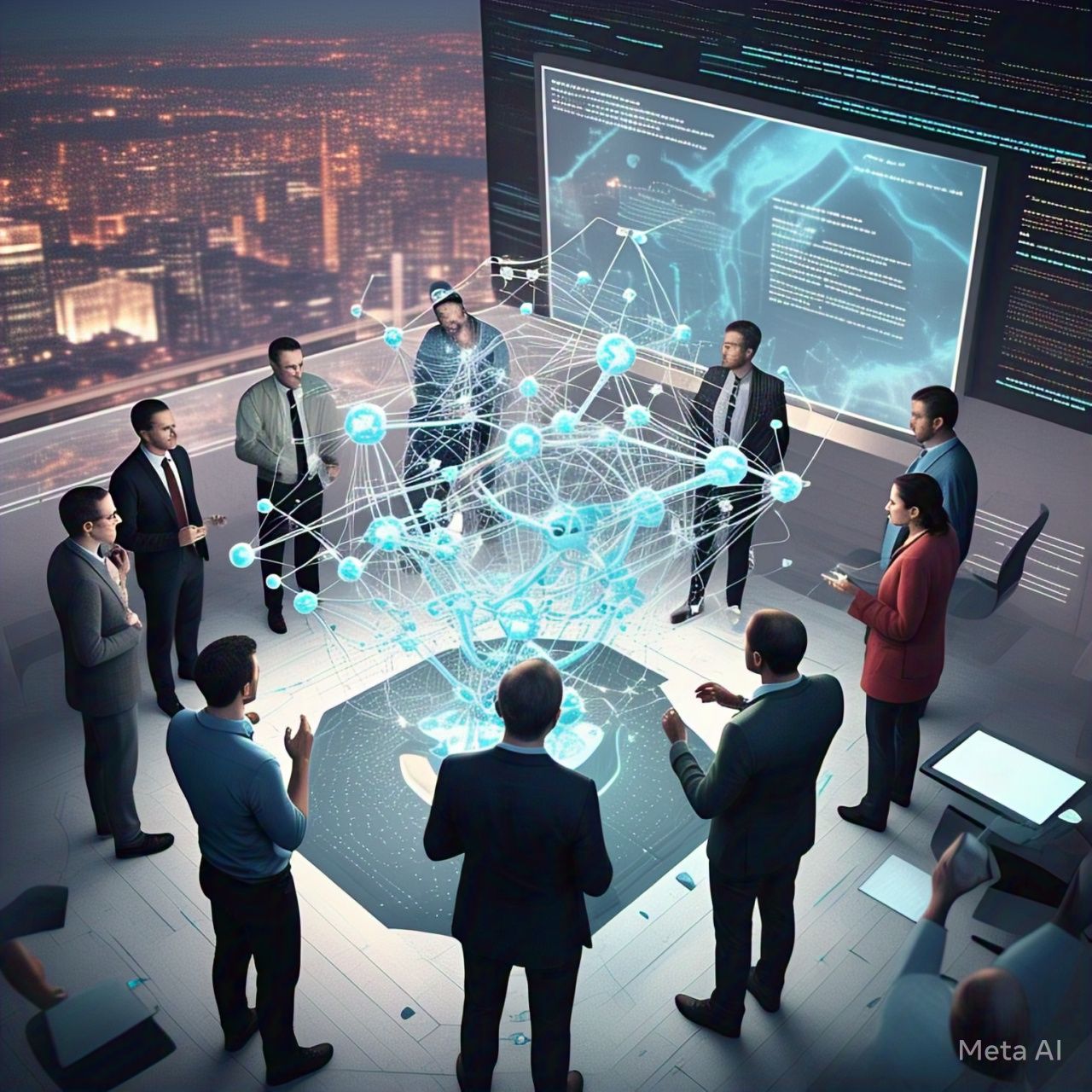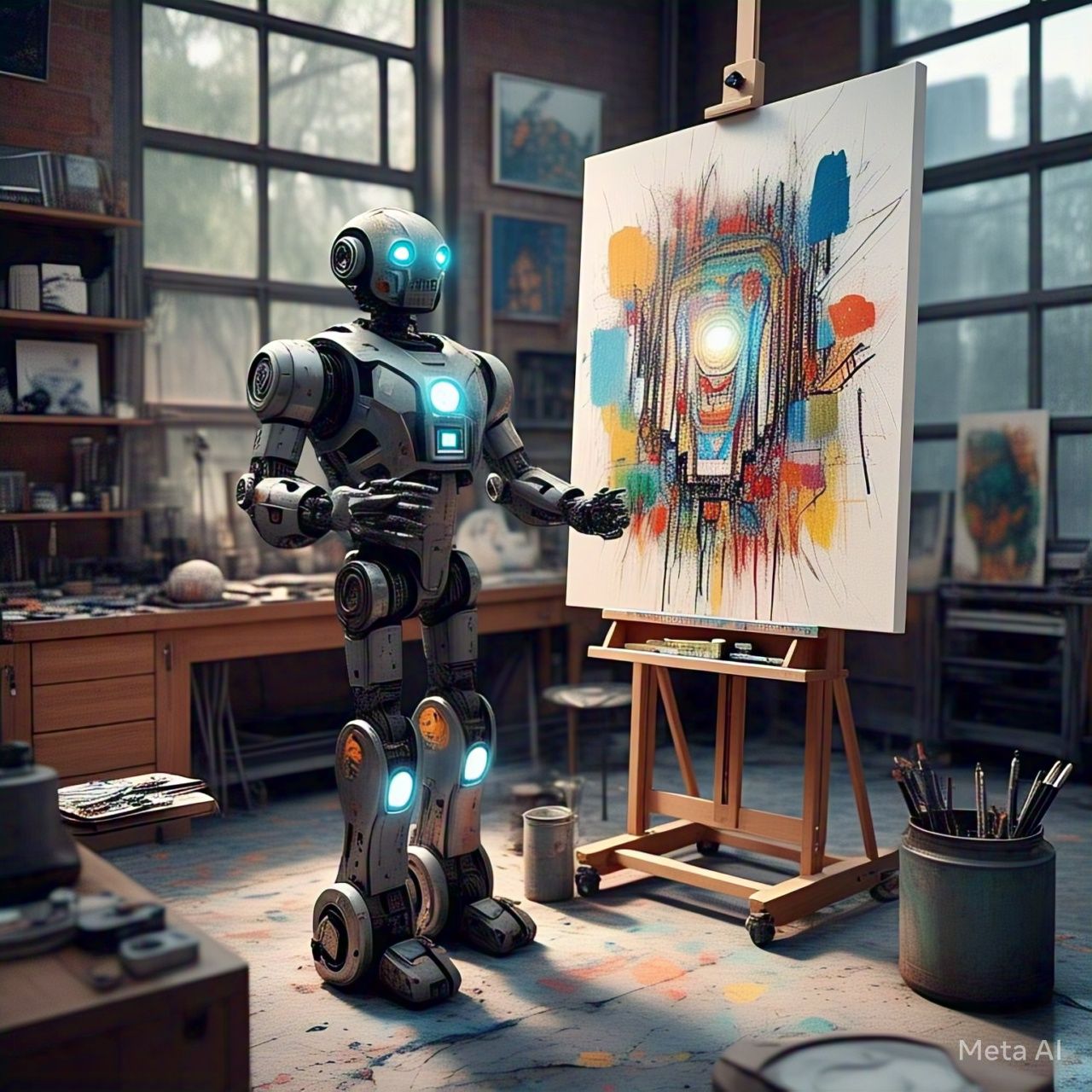
Artificial Intelligence (AI) is revolutionizing the art world, pushing the boundaries of creativity and redefining how we perceive artistic expression. From generating stunning digital paintings to composing symphonies, AI is proving that creativity is not exclusive to humans. This article explores how AI is shaping the future of art and what it means for artists and audiences alike.
1. The Rise of AI-Generated Art
AI as a Creative Tool
AI-powered tools like DALL·E, DeepArt, and Runway ML enable artists to generate unique artworks by processing vast amounts of visual and contextual data. These tools use deep learning algorithms to analyze existing art styles and create new, original compositions.
Notable AI-Generated Masterpieces
- Portrait of Edmond de Belamy: An AI-generated painting auctioned for $432,500 at Christie’s.
- AI-Driven Music Composition: Tools like OpenAI’s MuseNet can compose music in various styles, blending human creativity with machine intelligence.
- AI in Film and Animation: AI is being used to enhance visual effects, generate realistic CGI characters, and even assist in screenwriting.
2. How AI Creates Art
Neural Networks and Machine Learning
AI uses neural networks and machine learning models to analyze and replicate artistic styles. By training on massive datasets, AI can generate art that mimics classical, modern, and abstract techniques.
Generative Adversarial Networks (GANs)
GANs consist of two AI models—one generates images, while the other critiques them—resulting in increasingly refined and sophisticated artwork.
Style Transfer Technology
AI can transform ordinary images into paintings reminiscent of famous artists like Van Gogh or Picasso by applying learned artistic styles to new visuals.
3. The Impact of AI on Artists and Creativity
Augmenting Human Creativity
AI is not replacing artists but serving as a collaborative tool. Many artists use AI to enhance their work, speed up the creative process, and experiment with new techniques.
Ethical and Copyright Considerations
As AI-generated art gains popularity, questions arise about authorship, copyright, and the value of human creativity. Who owns an AI-created artwork—the developer, the AI, or the user?
The Future of AI in Art
AI will continue evolving, with advancements in personalization, interactivity, and adaptive storytelling. The integration of AI in art raises philosophical questions about what it means to be creative and how technology will shape artistic expression in the future.
Conclusion
AI is revolutionizing the art world, proving that machines can be both creative and innovative. While AI-generated art raises ethical and philosophical questions, it also opens new possibilities for artists and audiences. As technology and creativity merge, the future of AI in art promises to be as fascinating as the masterpieces it creates.