Introduction
As the global population ages, the demand for quality elderly care is increasing. Artificial intelligence (AI) is playing a transformative role in senior care by enhancing healthcare, improving safety, and promoting independent living. AI-powered technologies, including robotic assistants, smart monitoring systems, and virtual caregivers, are revolutionizing the way we support older adults. In this article, we explore how AI is making elderly care more efficient, compassionate, and accessible.
How AI is Transforming Elderly Care
1. AI-Powered Health Monitoring
AI-driven wearable devices and smart sensors track vital signs such as heart rate, blood pressure, and oxygen levels in real-time. These systems detect anomalies and alert caregivers or medical professionals, ensuring timely intervention and reducing health risks.
2. Virtual Companions and Social Engagement
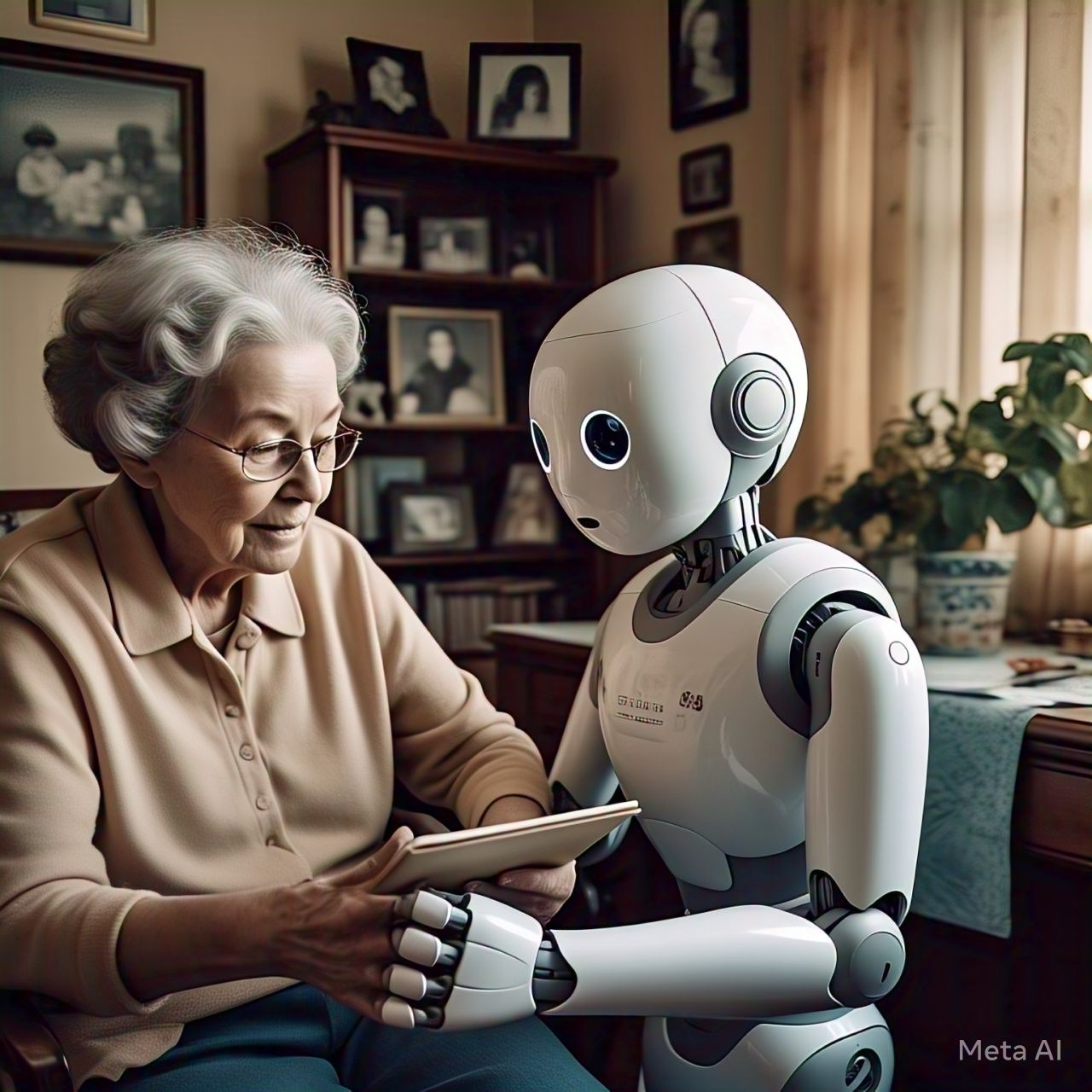
AI-powered robots like ElliQ and smart assistants provide companionship to elderly individuals, engaging them in meaningful conversations, reminding them of daily tasks, and helping reduce loneliness and social isolation.
3. Fall Detection and Emergency Response
AI-enabled home monitoring systems use cameras and sensors to detect falls and unusual movements. These systems automatically alert caregivers or emergency services, ensuring rapid response and minimizing injury risks.
4. Medication Management and Reminders
AI-driven medication management tools help seniors adhere to their prescriptions by sending reminders, tracking doses, and alerting caregivers if medications are missed. This reduces the risk of medication errors and improves overall health outcomes.
5. Smart Home Automation for Independent Living
AI-integrated smart home devices assist seniors with daily tasks such as turning off lights, adjusting thermostats, and locking doors using voice commands or automated schedules. This enhances convenience and safety for elderly individuals living alone.
Benefits of AI in Elderly Care
1. Enhanced Safety and Security
AI-powered monitoring systems ensure a safer living environment by detecting potential hazards, preventing falls, and providing real-time emergency assistance.
2. Improved Healthcare Management
AI-driven health tracking and predictive analytics enable early detection of medical conditions, allowing for timely treatment and better health management.
3. Greater Independence for Seniors
With AI-powered assistance, elderly individuals can maintain their independence longer, reducing their reliance on family members and caregivers.
4. Reduced Caregiver Burden
AI tools ease the workload of caregivers by automating routine tasks, allowing them to focus on providing emotional support and personalized care.
5. Cost-Effective Care Solutions
AI-driven elderly care solutions reduce the need for full-time in-person assistance, making high-quality care more affordable and accessible to a larger population.
The Future of AI in Elderly Care
The future of AI in elderly care is promising, with advancements in robotics, machine learning, and telehealth set to further improve senior support systems. Future AI caregivers may include emotionally intelligent robots, predictive healthcare models, and more sophisticated home automation technologies, creating a world where aging is safer, more comfortable, and dignified.
Conclusion
AI is revolutionizing elderly care by providing innovative solutions that enhance safety, health monitoring, and independence for seniors. As technology continues to evolve, AI-powered caregiving tools will play a crucial role in improving the quality of life for aging individuals while easing the burden on caregivers. Are you ready to embrace AI’s helping hand in elderly care?