Introduction
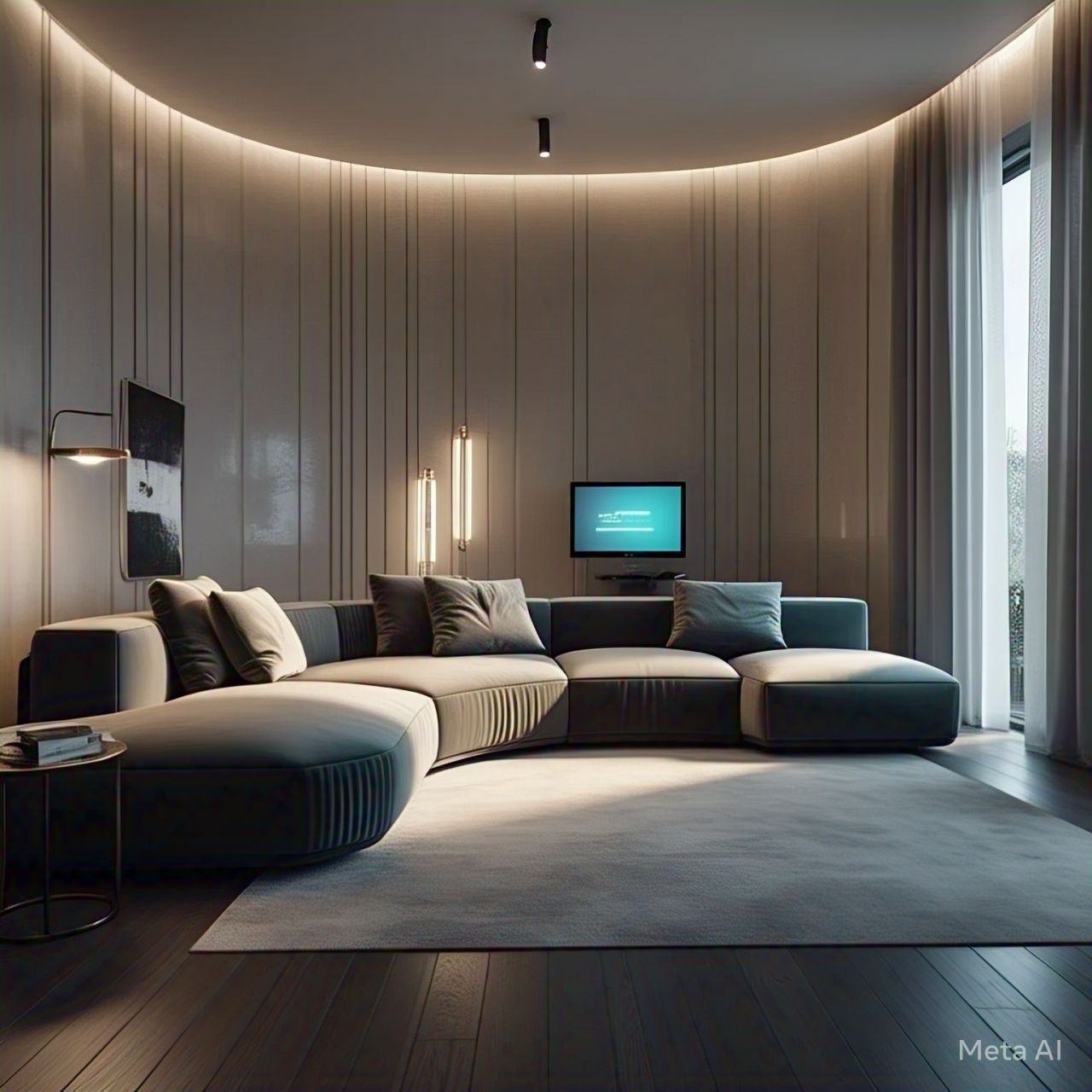
Interior design is evolving rapidly with the integration of Artificial Intelligence (AI), transforming how spaces are planned, customized, and optimized. AI-powered tools analyze user preferences, predict design trends, and create personalized smart spaces that enhance comfort and functionality. From automated design suggestions to smart home integrations, AI is revolutionizing interior design by making it more efficient, adaptive, and personalized. This article explores how AI is reshaping interior design and the future of smart living environments.
How AI is Revolutionizing Interior Design
1. AI-Powered Design Assistance
AI-driven platforms can generate design ideas based on user preferences, spatial constraints, and style choices. Machine learning algorithms analyze existing interior designs and suggest optimized layouts, furniture placements, and color schemes.
Key Benefits:
- Instant personalized design recommendations.
- Improved space utilization and efficiency.
- Enhanced creativity with AI-generated concepts.
2. Virtual Interior Design with AI
AI-powered virtual reality (VR) and augmented reality (AR) tools allow users to visualize interior designs before implementation. Clients can explore different styles, textures, and furniture placements in a virtual space, ensuring satisfaction before making purchases or renovations.
Key Benefits:
- Real-time 3D visualization of design choices.
- Reduced trial-and-error in selecting furniture and decor.
- Enhanced client confidence in design decisions.
3. Smart Home Integration for Personalized Spaces
AI-driven smart home systems personalize spaces based on user habits, automating lighting, temperature, and entertainment settings. These systems learn user preferences and adjust home environments accordingly, creating a seamless living experience.
Key Benefits:
- Increased comfort with automated home adjustments.
- Energy efficiency through AI-controlled smart appliances.
- Personalized living experiences tailored to user behavior.
4. AI-Driven Trend Forecasting and Material Selection
AI analyzes global design trends and suggests materials, colors, and styles that align with future aesthetics. By examining vast datasets from social media, magazines, and past design projects, AI predicts upcoming interior design trends with high accuracy.
Key Benefits:
- Data-driven trend forecasting for modern interiors.
- Cost-effective material selection with AI recommendations.
- Sustainable choices through AI-analyzed eco-friendly options.
5. Automated Project Management and Budgeting
AI streamlines project management by tracking budgets, timelines, and resources. AI-powered tools can estimate costs, recommend suppliers, and optimize purchasing decisions to ensure projects stay within budget.
Key Benefits:
- Efficient budget planning with AI cost analysis.
- Reduced delays with automated project tracking.
- Smart vendor recommendations for high-quality materials.
The Future of AI in Interior Design
As AI technology continues to advance, the interior design industry will see even more innovations in personalized smart spaces. Future developments will focus on AI-generated adaptive designs that adjust based on user moods, preferences, and daily routines. The combination of AI, smart home technology, and sustainable materials will pave the way for highly efficient, customized, and eco-friendly interiors.
Conclusion
AI is revolutionizing interior design by enabling personalized smart spaces that enhance comfort, efficiency, and aesthetics. From AI-powered design recommendations to smart home automation, technology is transforming how we create and experience living spaces. As AI continues to evolve, the future of interior design will be more intuitive, adaptive, and tailored to individual lifestyles, making smart living a reality for everyone.